
Chapstick Lesbian Dating: Beyond Style and Stereotypes
A dating bio may tell you that someone loves hiking, watches terrible horror movies on purpose, and treats iced coffee as a year-round commitment. Then you reach the words “chapstick lesbian” and wonder what they mean for dating her.
The phrase usually describes gender expression. It does not reveal who will plan the first date, how often someone likes to text, where she draws personal boundaries, or how much time she can give another person. Those answers emerge through communication and experience.
Understanding that limit makes the label more useful. It can help someone describe herself without turning her appearance into a forecast of her romantic behavior.
What Chapstick Lesbian Means in Dating
“Chapstick lesbian” is an informal identity label used by some lesbians and sapphic daters whose presentation falls between conventional femme and butch categories. The name plays on the contrast with “lipstick lesbian,” replacing a traditionally feminine beauty product with something casual and understated.
The phrase became more widely recognized after a 1997 episode of Ellen. During a discussion about lipstick lesbians, Ellen DeGeneres’s character described herself as a chapstick lesbian. The expression gave viewers a recognizable way to describe a mix of feminine and masculine elements.
Its meaning remains flexible. One woman may associate it with practical clothes and little makeup. Another may dress androgynously during the week and prefer a more feminine look for a night out. Both can use the same wording without presenting themselves in identical ways.
It works best as a self-description. Other people can use it as an opening for understanding, while leaving personality, attraction, and personal priorities open to discovery.
Why the Label Matters to Queer Daters
Queer recognition is not always straightforward. Someone who falls between familiar visual categories may find that other women read her interest as simple friendliness. Adding a concise identity marker to a dating bio can remove some of that uncertainty.
The wording can also help people who have felt too casual for femme and too feminine for butch. They gain a way to describe their place within lesbian culture without changing how they dress to become more legible.
That freedom is its practical value. A useful identity marker creates room for self-expression and allows clothes to change with mood, setting, or occasion. It should ease pressure rather than introduce another dress code.
Chapstick Lesbian Versus Related Queer Identities
Several queer terms cover neighboring forms of expression. Their meanings can vary across communities, cultures, and generations, so these distinctions are helpful guides rather than rules for classifying other people.
 Lipstick Lesbian
A lipstick lesbian generally identifies with a conventionally feminine aesthetic, which may include makeup, dresses, or carefully styled hair. Chapstick lesbian usually suggests a more casual or mixed look. The distinction concerns outward expression, not how strongly someone identifies as a lesbian or which partners she may prefer.
Soft Butch and Futch
Soft butch usually leans further toward masculinity while retaining gentler elements, while futch combines aspects of femme and butch. Both can overlap with chapstick lesbian, and the most accurate word is often the one a person chooses for herself based on her background, community, and experience of gender.
Stem
Stem comes from stud and femme language and holds particular significance within Black lesbian communities. Its cultural history sets it apart from general descriptions of androgynous style, so it should not be applied broadly to anyone who mixes masculine and feminine elements. When someone identifies as stem, follow the language she uses.
What the Label Does Not Reveal About Compatibility
A shared aesthetic can create an immediate sense of familiarity, yet compatibility depends on communication, boundaries, practical circumstances, and effort.
Start with pace. One woman may enjoy daily messages, while another checks in only a few times each week. One may prefer an early meeting, while the other needs more time before leaving the app. Neither habit is automatically a problem. Friction begins when each person assumes her pace is understood.
Boundaries cover privacy, exclusivity, physical affection, and public visibility. These matters become especially important when one woman is openly queer, and the other is not. They may still be compatible if both can discuss what feels safe and what each can realistically offer.
Daily life matters as well. Distance, work hours, family duties, and social habits determine how often two people can spend time together. Genuine interest cannot create free weekends or shorten a long commute. Asking about availability early can prevent weeks of hopeful messages that never lead to a meeting.
Effort becomes visible through actions. Both sides do not need to contribute in identical ways, though each should reply, suggest plans, show consideration, and follow through. When one woman repeatedly carries the bond alone, the central problem is an imbalance in participation.
Building a Dating Profile That Feels Like You
A useful dating page gives potential dates a fair sense of your appearance, personality, everyday life, and current intentions. An identity marker can supply context, while the remaining details show what spending time with you might feel like.
Let Your Photos Show Real Range
Choose recent images that resemble the person someone would meet, including a clear everyday picture, a different social or dressed-up look when that feels authentic, and an image tied to something you enjoy. Your photos do not have to prove that you qualify for a category. They should make you recognizable and offer a glimpse of your real life, so avoid relying entirely on group shots, heavy filters, or several pictures taken from nearly identical angles.
Add Details That Invite a Reply
General descriptions such as “I love music, travel, and food” are accurate for plenty of people, but they offer little to answer. A line like “I’m building a playlist for a five-hour road trip and accepting one dramatic breakup song per person” reveals more personality and gives a reader an easy opening. Two or three details about a class, a favorite film, or a meal you are learning to cook can do far more than a long list of adjectives.
State Your Dating Intentions Clearly
Add one direct sentence about what currently fits your life, whether that means casual dates, a bond that develops slowly, or a committed relationship. It also helps to mention practical limits that could shape dating, such as distance, travel, weekend availability, privacy, or how long you prefer to talk before meeting. You are not deciding the future in advance. You are giving both people enough information to judge whether starting feels realistic.
Where BiCupid Fits Into Modern Queer Dating
BiCupid brings bisexual, lesbian, gay, polysexual, and bi-curious members into the same dating community. That range can be useful when your local circle feels small or when you want to meet people who already understand that identity and attraction do not always fit neat categories.
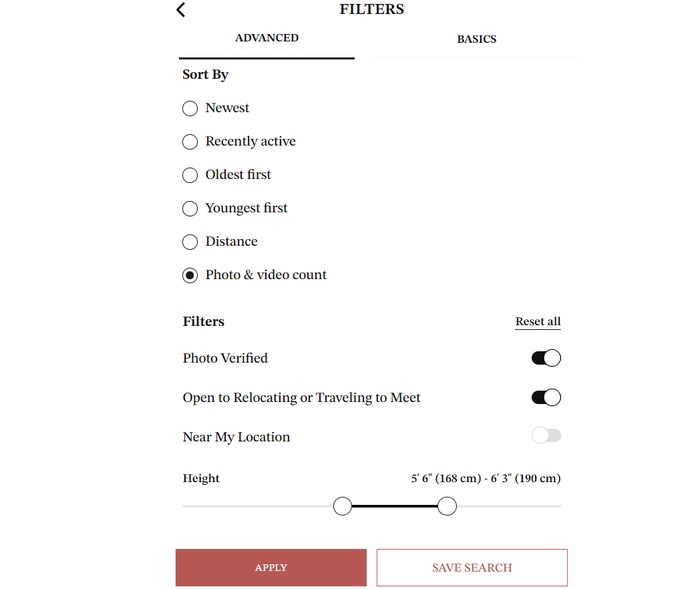 The filters work best when they reflect the parts of your life that genuinely affect dating. Sexuality settings can reduce obvious mismatches, while distance and recent activity can help you focus on people you could realistically meet. Travel and relocation details are useful when another city is possible, though they are less helpful if regular travel would quickly become tiring or expensive.
Verification indicators can offer a little extra reassurance that an account has completed certain checks, but they cannot tell you whether someone is thoughtful, dependable, or right for you. Pay attention to whether her details stay consistent, whether she respects your limits, and whether her plans sound realistic. Chatrooms can provide an easier way to get a feel for the community before writing to anyone privately.
Privacy controls may matter if you are not publicly out or simply prefer to decide who can see you. Set those options according to your comfort, then keep the rest of your filters practical. A short list of firm limits usually serves you better than dozens of minor preferences that remove interesting people before you have spoken.
Turning an Online Match Into a Real Conversation
A good opening message starts with something the other woman chose to share. Ask why she recommends an obscure film, whether the dog in her photos approvesof her dates, or what she likes about an identity term in her bio. Keep it specific and easy to answer, then offer an opinion or short story of your own as the conversation develops. That balance feels warmer than a string of questions and gives both sides something to work with.
When the interest appears mutual, suggest a simple next step. “Would you like to get coffee Thursday after work?” provides a day, an activity, and room for her to suggest another time. A clear invitation can still feel relaxed. It saves both people from weeks of vague messaging and gives you a chance to learn how well the ease you felt online carries into an in-person date.
Dating Without Assigning Gendered Roles
Clothes and gender expression do not decide who should initiate, plan dates, pay, offer reassurance, or lead physical affection. Assigning those duties according to who appears more masculine or feminine places people into roles they never chose.
Discuss practical decisions as they arise. One woman might choose the activity while the other selects the day. A couple may split the bill, alternate paying, or choose another approach that fits their finances. If affection is developing, attention and clear consent should guide the pace.
Emotional and practical work deserves the same care. Notice who checks in after a difficult day, remembers plans, addresses misunderstandings, and makes time to meet. Contributions do not need to be equal at every moment, but a lasting pattern in which one person carries every responsibility deserves an honest discussion.
A healthy partnership gives both women room to express preferences and take initiative. The useful question is whether both have agency and whether the overall effort feels fair.
Common Questions About Chapstick Lesbian Dating
Can Nonbinary Lesbians Use the Chapstick Lesbian Label?
Yes. A nonbinary lesbian can use chapstick lesbian when it fits their experience of lesbian identity and gender expression. Use the wording and pronouns each individual provides, and ask respectfully if you are unsure.
Why Does the Term Feel More Familiar Online Than Offline?
Dating apps and social media help short identity terms travel quickly, while everyday vocabulary varies by age, region, and social circle. That is why the phrase may feel completely familiar online and still need a quick explanation elsewhere.
What If a Date Does Not Like Identity Labels?
Respect her preference and talk about the details that affect dating, such as attraction, boundaries, interests, and romantic goals. Two people do not need the same attitude toward labels as long as each can describe herself without dismissing the other.
Do Different Generations Use Chapstick Lesbian Differently?
Often, yes. Some older lesbians associate the phrase with femme and butch discussions from the 1990s, while younger daters may place it beside newer language such as soft masc. Asking what it means to the person using it is usually the simplest answer.
Finding People Who Understand Your Identity
Understanding does not require perfect queer vocabulary. Listen for whether a woman respects your boundaries, remembers what matters to you, and contributes enough time and care to keep things moving.
Identity language can make introductions easier while leaving room for discovery. A promising date will not assume that a few words and photos explain your whole personality. She will remain curious, let you speak for yourself, and offer the same honesty in return.
If you want to meet queer daters across a range of identities, you can join BiCupid and write an introduction in your everyday voice. Describe the interests and intentions that matter to you, choose privacy and discovery settings that suit your circumstances, and begin with one specific, honest hello.