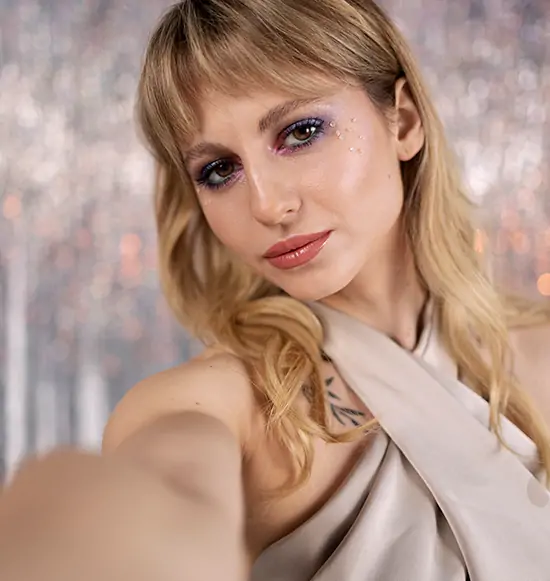
Start Trans Dating & Chat in East Kilbride, Scotland - BiCupid
Let Your Photos Support Your Story in East Kilbride
Photos can create the first moment of interest, but they should not have to explain your identity, history, or entire personality. Trans dating in East Kilbride can feel more personal when images and words work together. BiCupid lets members upload photos, write an introduction, and state dating preferences, giving each part of a profile a clear but limited job.
A good photo might show your expression, style, or an activity you enjoy. The introduction can then explain what matters in your life and what kind of connection you want. This balance helps another member respond to you as a person rather than building assumptions from appearance alone.
Choose Images That Feel Like Your Real Life
You do not need professional photography or a collection of nearly identical selfies. A useful set of images can show a clear recent portrait, a more relaxed moment, and one detail connected to an interest. The aim is recognition and personality, not perfection.
East Kilbride became Scotland’s first new town in 1947, planned with homes, schools, parks, workplaces, and a central shopping area. Today, local life can include very different settings and routines. If green space genuinely matters to you, a photo from a general outdoor setting may fit. If cafés, films, fashion, cooking, or quiet evenings represent you better, let the profile reflect that instead.
Calderglen Country Park includes ornamental gardens, nature trails, walks, and a courtyard café. Those features can inspire profile details or conversation topics, but avoid posting an image that reveals your exact routine or current location. A local reference should show an interest, not provide a map of your private life.
A Simple Photo Check
- Current: Does the image still look and feel like you now?
- Clear: Can another member recognise you without heavy filters or confusing group shots?
- Personal: Does at least one photo reveal a genuine interest, style choice, or part of your character?
- Comfortable: Are you content for the intended audience to view the image?
Decide Which Photos Stay Private
 Not every image needs to appear publicly. BiCupid supports private photos, allowing members to keep selected images separate from their public profile. This can be useful when you want another person to earn more trust before seeing additional parts of your life.
Private photos are a control, not a promise. You do not owe access because someone sends a message, compliments you, or asks repeatedly. A respectful match can accept “not yet” without turning the answer into a debate. If sharing an image would make you uneasy, keeping it private is a complete decision.
This choice applies to everyone, but it can carry particular weight for trans members who receive intrusive attention. Your photos are there to support dating on your terms of comfort; they are not evidence that must satisfy another person’s curiosity.
Read Beyond the Image When Browsing
The same fairness you want from others should shape how you review their profiles. Attraction matters, but a strong photo cannot reveal communication style, relationship intent, or whether someone will respect your identity. Read the introduction and preferences before deciding what the profile offers.
Premium search includes a photo-verification filter. Photo verification can be a useful trust signal when browsing, but it does not confirm personality, compatibility, or intentions. Treat it as one piece of information rather than a guarantee.
Look for consistency instead. Does the introduction sound individual rather than copied? Do the stated preferences fit the way the person talks about dating? Does the profile include enough detail for you to ask a real question? These signals can help you choose attention more carefully.
Begin With Something They Chose to Share
If a profile interests you, open with a detail that belongs to the person’s story. You could respond to an activity in a photo, a view they mentioned, or a line from their introduction. Keep the comment focused on the individual rather than asking whether a visible feature is related to being trans.
Free members can comment on photos and private albums, send likes and winks, and reply to messages they receive. Premium members can initiate messages. A photo comment may offer a natural opening, but it should still be considerate and relevant.
Compliments work best when they do not claim access. “That colour suits your style” leaves space for a response. Questions about someone’s body, transition, or private history can turn a light interaction into an uncomfortable one. Let the profile owner decide whether those subjects ever enter the conversation.
Why Use BiCupid for East Kilbride Trans Dating?
BiCupid provides a focused dating environment where trans members can combine identity, photos, personal introductions, and relationship preferences. Interested adults can learn about the individual instead of treating a picture as the complete profile.
The combination of public and private photos supports different comfort levels. Some members may display several images openly; others may begin with one clear portrait and share more only after trust develops. Neither approach determines how serious or genuine a person is.
BiCupid also allows members to block or report accounts. Use these controls when someone ignores a photo boundary, sends abusive content, or continues unwanted interaction. Platform controls support personal agency, although they cannot guarantee how every member will behave.
East Kilbride Trans Dating Questions
Do I need several public photos?
No fixed number suits everyone. Choose enough current images to represent yourself without sharing more than feels comfortable. Your introduction can provide context that photos cannot.
What are private photos?
Private photos are images kept separate from the publicly visible profile. Use them according to your own comfort and do not let another member pressure you for access.
Does photo verification guarantee that someone is trustworthy?
No. Verification is a useful signal, not proof of compatibility, intentions, or future behaviour. Continue reading the profile and use your own judgement during conversation.
Can I comment on another member’s photo?
Yes. Photo comments and private-album comments are available free interactions. Keep comments respectful, relevant, and free from assumptions about someone’s body or history.
Choose One Photo That Starts the Right Conversation
Update your BiCupid profile with a current image that reflects how you want to be seen. Add an introduction that supplies the meaning a photo cannot, keep selected images private when you prefer, and let respectful East Kilbride members respond to the person behind the picture.